WE CALL FOR A DEMOCRATIC SYRIA
CRITICAL UPDATE, January 22, 2026: Despite the March Agreement signed in 2025 between General Commander of the Syrian Democratic Forces, Mazloum Abdi, and Syrian Interim President Ahmed al-Sharaa, the Syrian Transitional Government has chosen to attempt to reunify Syria through a military approach.
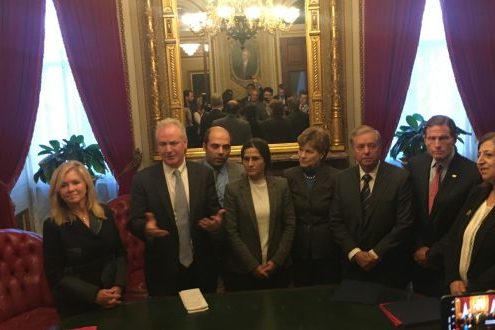
In the past weeks, Kurdish-majority neighborhoods in Aleppo were subject to siege and occupation, followed by the current attack on North and East Syria, despite calls from United States Central Command and prominent members of the US Senate for an end to offensive military operations.
As Damascus-backed forces crossed the Euphrates River and occupied Raqqa, Tabqa, Shaddadi, and other major cities and regions, videos recorded by extremist fighters in their ranks have been pouring out of the region, gleefully recorded by Syrian Arab Army soldiers, many of whom are former members of US-sanctioned militias such as Ahrar al-Sharqiya. These videos contain disturbing footage of the execution of Syrian Democratic Forces personnel, mutilation of corpses, desecration of cemeteries, and numerous other crimes against humanity.
Furthermore, the integrity of facilities in which ISIS fighters and ISIS-affiliated families have been held has been put at risk. Breakouts were reported from the ISIS prison in Shaddadi following attacks on it by Damascus-backed gunmen. ISIS-linked families fled al-Hawl camp as the SDF withdrew following further advances by pro-Damascus forces. At the al-Aqtan Prison, north of Raqqa, SDF fighters chose to hold their ground, and they remain there despite being under a total siege by the Syrian Transitional Government. They have so far prevented any of the hundreds of imprisoned ISIS fighters from escaping, despite facing severe shortages of water, electricity, fuel, and food, as well as constant attacks by government forces.
As of January 22, 2026, the Syrian Democratic Forces have been forced to withdraw to Kobani and the North-East corner of Syria, around the cities of Hasakah, Qamishli, and Derik. These regions are populated by a Kurdish majority, with significant Assyrian, Syriac, and Arab populations as well. Despite a ceasefire agreement being announced and agreed to by both Damascus and the Syrian Democratic Forces on January 20, offensive attacks have continued towards Kobani, as well as shelling and clashes near Hasakah and Tal Tamr.
Despite the attacks, the Syrian Democratic Forces and Autonomous Administration remain committed to the January 20 ceasefire agreement and choosing dialogue over warfare. We call on the international community to take a concrete stance against the Damascus’ government decision to pursue a military solution, especially against Kurdish-majority areas. Massacres have already taken place against the Alawite and Druze citizens of Syria. International Engagement is needed to prevent further sectarian violence and to support a dialogue-driven, political solution to the Syrian Conflict.
The US Mission of the Syrian Democratic Council in Washington DC represents the interests of North and East Syria in Washington DC, United States of America. We are the political representation of the Democratic Autonomous Administration of North and East Syria (DAANES).
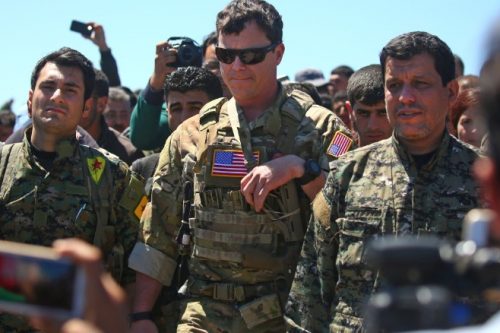
We believe in one democratic Syria, for all Syrians. We are US allies and US military partner forces that have hosted US troops in North and East Syria for over a decade. We call on our allies and the democratic people of the world to support us and prevent further ethnic violence in Syria.
The Syrian Democratic Council (SDC) was established in 2015 as a leading coalition in Syria. The SDC is the political leadership of the Democratic Autonomous Administration of North and East Syria (DAANES) and the Syrian Democratic Forces (SDF), which liberated most of North and East Syria from the Islamic State in partnership with the United States and the Global Coalition to Defeat ISIS. The U.S. Mission of the SDC views the United States as a key ally in supporting democracy in Syria and as a partner for peace and security in the country. |